Madeira without a car is entirely workable, but it is a different holiday from a road trip. Funchal, nearby towns and several major sights are easy; scattered levada starts and sunset viewpoints are not. The trap is assuming a small island must have one integrated network with frequent connections. Instead, useful buses radiate from different terminals, timetables thin out on Sundays, and a trail may be simple to reach but impossible to leave late in the day. Success starts with the base, then combines buses with a few deliberate transfers.
What is genuinely easy without a car
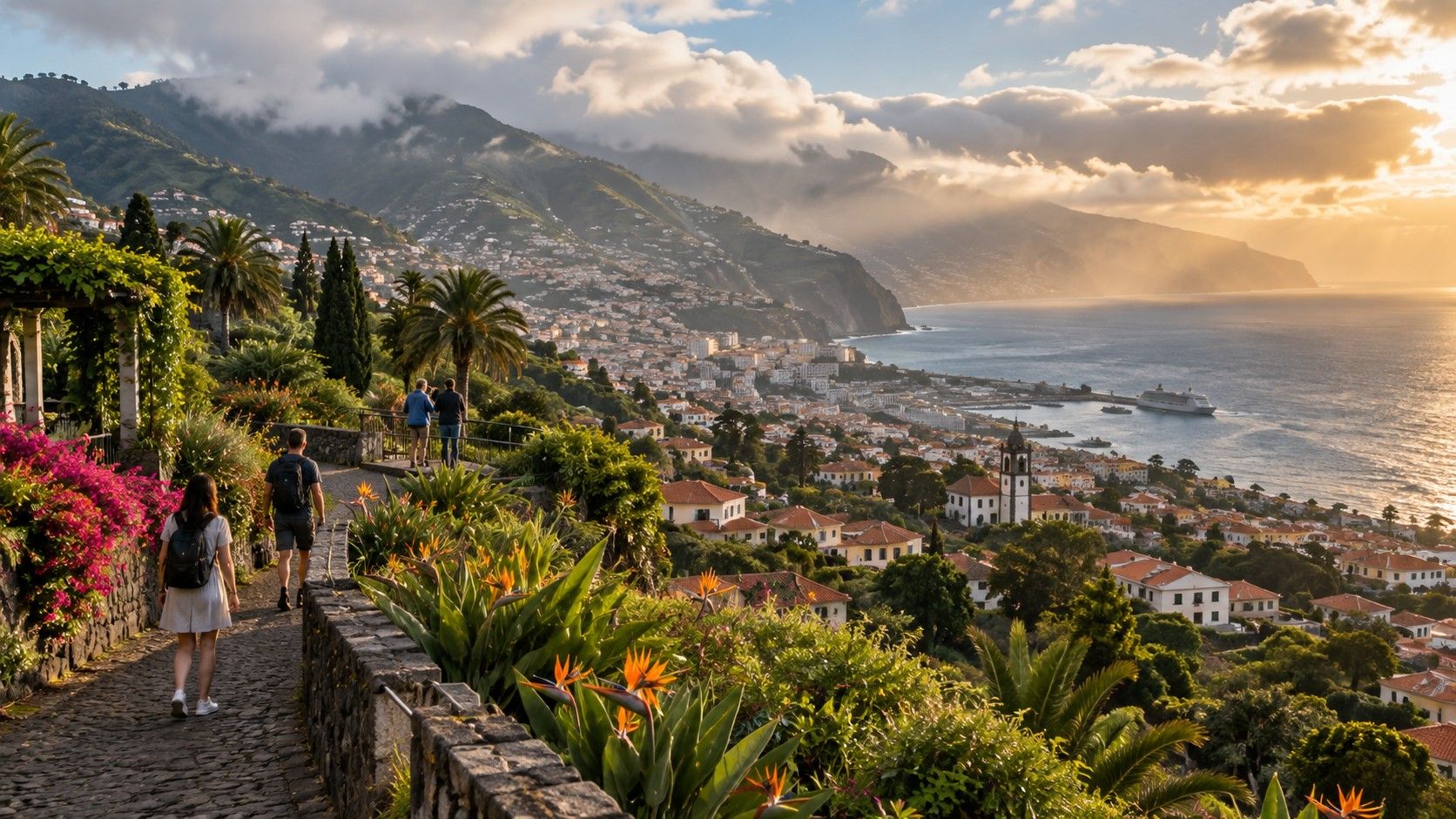
Central Funchal needs no vehicle. The old town, market area, marina, cable car and most museums sit within a walkable core, although hills appear quickly beyond the waterfront. Urban buses cover steeper neighbourhoods and Monte, saving legs for gardens or evening streets. Câmara de Lobos is also a practical bus outing from Funchal, with enough frequency on common routes to avoid planning the entire day around one departure.
Airport transport is straightforward compared with remote island travel. An airport bus and regular bus services connect toward Funchal, while taxis and pre-booked transfers offer door-to-door convenience. The relevant detail is the final hill: wheeling luggage from a waterfront stop to accommodation high above the centre can turn a cheap arrival into a sweaty mistake. Check the elevation and exact stop before choosing solely by fare.
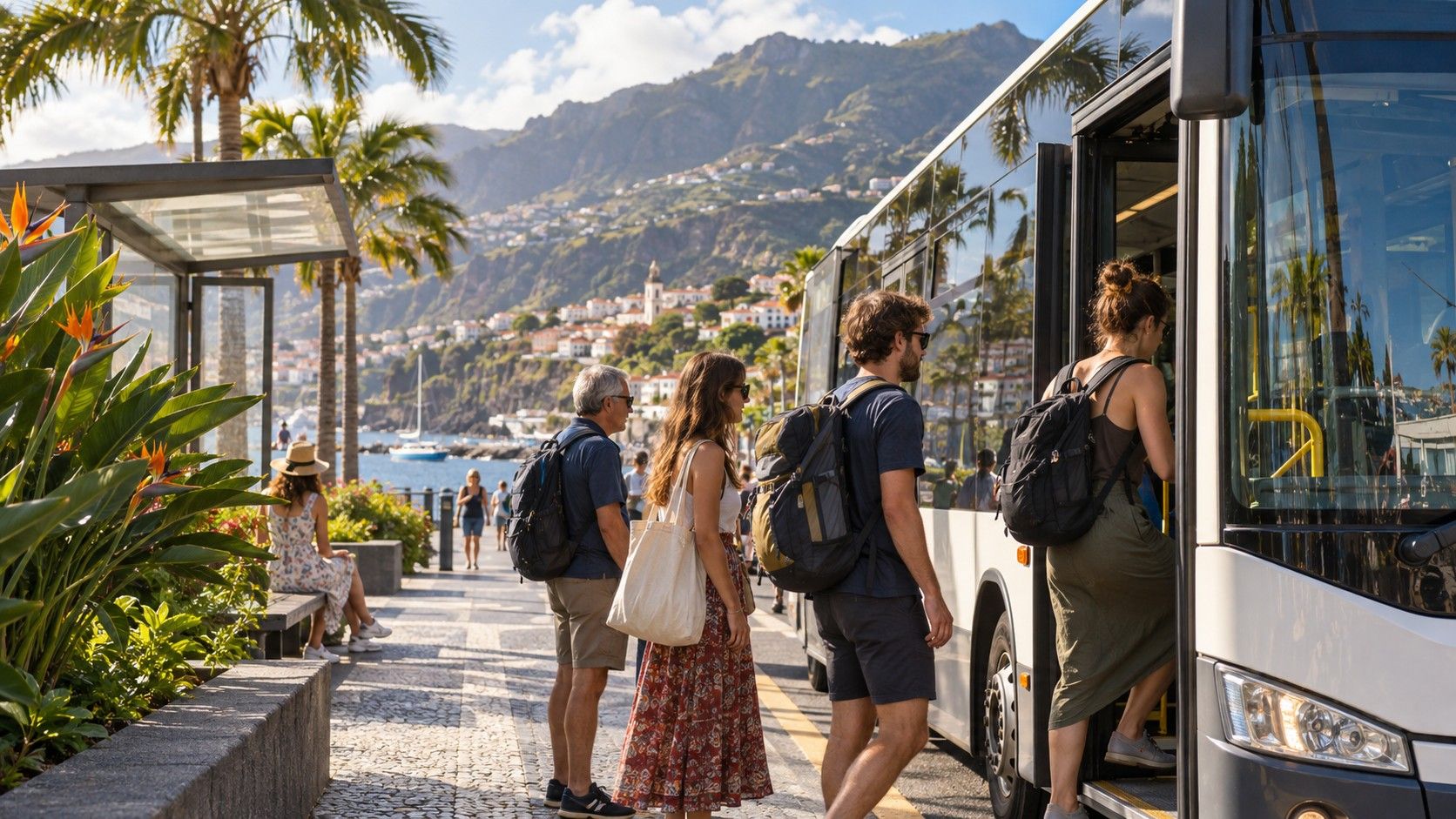
Madeira public transport also works for selected full-day destinations such as Machico, Santa Cruz, Ribeira Brava or Porto Moniz, depending on the current timetable. What it does poorly is chaining several places into one day. A car can stop at two viewpoints between towns; a bus passenger sees the road through a window and waits for the next scheduled service. Accepting one main destination per day makes the experience calmer.
Choose a base for connections, not only for the view
Funchal is the strongest base for getting around Madeira because the largest set of buses, tours and trail transfers starts there. Central areas near Avenida do Mar or the principal terminals reduce uphill walks and simplify early departures. The hotel may look less secluded than a hillside apartment, but being able to reach a 07:30 pickup on foot is worth more than a balcony on the wrong side of town.
The Lido area offers accommodation, swimming and frequent urban links, though some regional departures are easier from central Funchal. Confirm whether a tour collects at the hotel or expects a meeting point. A twenty-minute morning walk is harmless on a map until it includes steep pavement, darkness and hiking gear.
Machico can suit travellers who want the east, a beach and a quieter evening. It is useful for Ponta de São Lourenço connections when schedules align, but weaker for repeated west-coast days. Câmara de Lobos is close to Funchal yet adds a transfer to many excursions. Porto Moniz makes a rewarding overnight stop, especially after day visitors leave, but is a poor universal base for the east or airport.
| Base | Works well for | Main limitation |
|---|---|---|
| Central Funchal | Largest choice of buses, tours and transfers | Urban setting and higher central prices |
| Lido | Swimming, hotels and urban buses | Some regional terminals require an extra journey |
| Machico | East Madeira and relaxed local days | Longer, less flexible access to the west |
| Porto Moniz | North-west atmosphere and pools | Limited reach for an island-wide itinerary |
How the bus companies divide the island
The phrase Madeira bus network suggests a single system, but visitors encounter several operators. Horários do Funchal handles urban routes and services toward parts of the east and north; SAM is associated with eastern connections, including the airport corridor; Rodoeste serves much of the west. Boundaries and service arrangements can change, so use each operator's current timetable rather than an old blog screenshot.
Route numbers alone are not enough. Check the departure point, direction, day type and notes attached to the service. A weekday school-period bus may not run during holidays; Saturday and Sunday columns can differ sharply. Public-holiday schedules deserve separate attention. I save the outward and return options as screenshots because mobile reception is not the problem most likely to ruin the day—the problem is discovering the page has changed when standing at a rural stop.
At larger terminals, ask staff which bay or stop is used. At small roadside stops, arrive early and signal clearly. Carry a payment method accepted by the operator and some small-value cash as a fallback, because ticketing arrangements are not identical across every route. Keep the destination written down. Portuguese place names that look distinct on a screen can be hard to communicate over traffic noise.
Last buses are the hard boundary. Work backward from the final departure, not forward from breakfast. Leave a margin for a delayed meal or a walk that takes longer than expected. Missing the last service from a remote village may mean an expensive taxi—if one is available—rather than a later bus.
Levadas and remote viewpoints require another tool
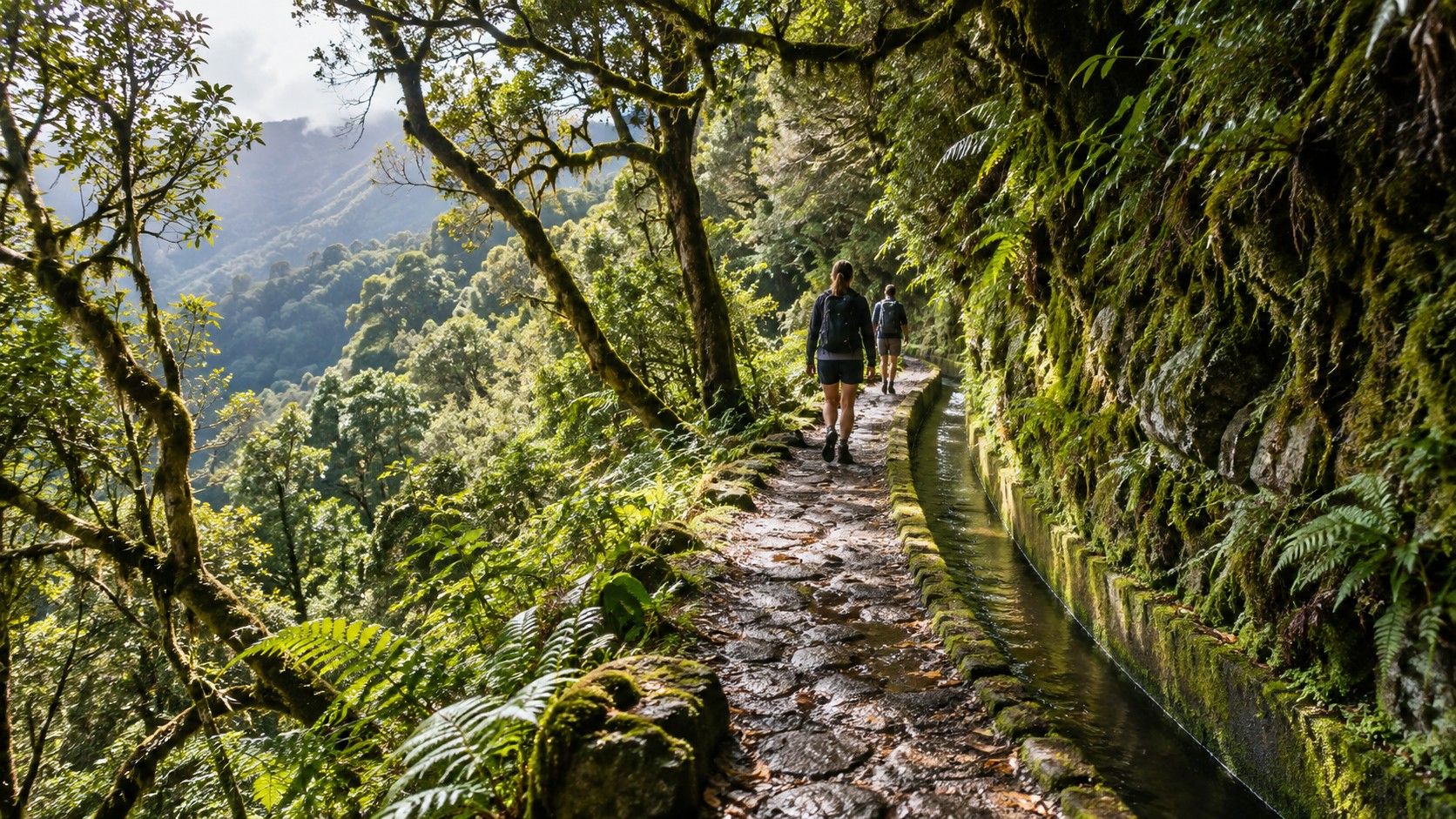
Many Madeira walking trails were not designed around public transport. Trailheads sit on upland roads, and point-to-point walks finish far from where they began. Even where a bus serves a nearby village, several kilometres of steep road may separate the stop from the path. This is why “buses in Madeira” and “buses to Madeira hikes” are not the same question.
Dedicated trail transfers solve the geometry. They collect from Funchal or agreed points, drop walkers at a trailhead and return from the finish at a fixed time. This is particularly useful for linear routes. Read the cancellation rules, minimum passenger requirement and pickup instructions, and confirm that the service is transport rather than a guided walk if independence matters.
For a levada, check official trail status on the day. A transfer booking does not guarantee an open path, and closures may follow rain, rockfall or maintenance. Carry a backup plan that the operator can serve. Weather at Rabaçal, Ribeiro Frio or the high peaks can differ completely from Funchal; a sunny hotel breakfast is weak evidence for mountain visibility.
Taxis can work for accessible one-way outings when arranged in advance. Agree on pickup location and approximate fare, and make sure the driver can identify the correct trail exit. A pin in a forest is less useful than a named car park or road junction. Mobile coverage is generally good but should not be the only return plan.
When a taxi or guided tour saves a whole day
A taxi is good value when it replaces several hours of connections, especially for two to four people sharing. It also makes sense for a dawn start, airport journey with luggage or dinner after the last bus. Metering and fixed arrangements may differ by journey, so ask for the expected price before departure rather than treating the island's short distance as a price guarantee.
A small-group tour is efficient for a west or east island circuit. It cannot offer the freedom of a car, and stops may feel short, but it reaches a sequence of viewpoints that public buses cannot combine sensibly. Choose by group size, route and pickup terms, not by the number of attractions squeezed into the title. A tour promising ten stops may provide little more than ten parking areas.
Guided hiking is worthwhile when navigation, exposure or changing mountain conditions are concerns. It is not a licence to ignore fitness or equipment. Read the actual distance and ascent, disclose limitations and bring footwear suitable for wet stone. For easy independent days, public buses remain cheaper and more relaxed.
Build the week around fixed departures
A robust car-free week might use three simple bus days, two pre-booked trail or island transfers, one walking day in Funchal and one weather reserve. Place the most weather-sensitive hike where it can be moved. Avoid booking non-refundable activities on every day; one closure can otherwise create a chain of wasted reservations.
Each evening, confirm the next day's outward stop, final return and a fallback destination. Keep taxi numbers, accommodation details and screenshots offline. If changing base, send luggage directly by taxi rather than dragging it through multiple regional services. The saved effort can justify the fare.
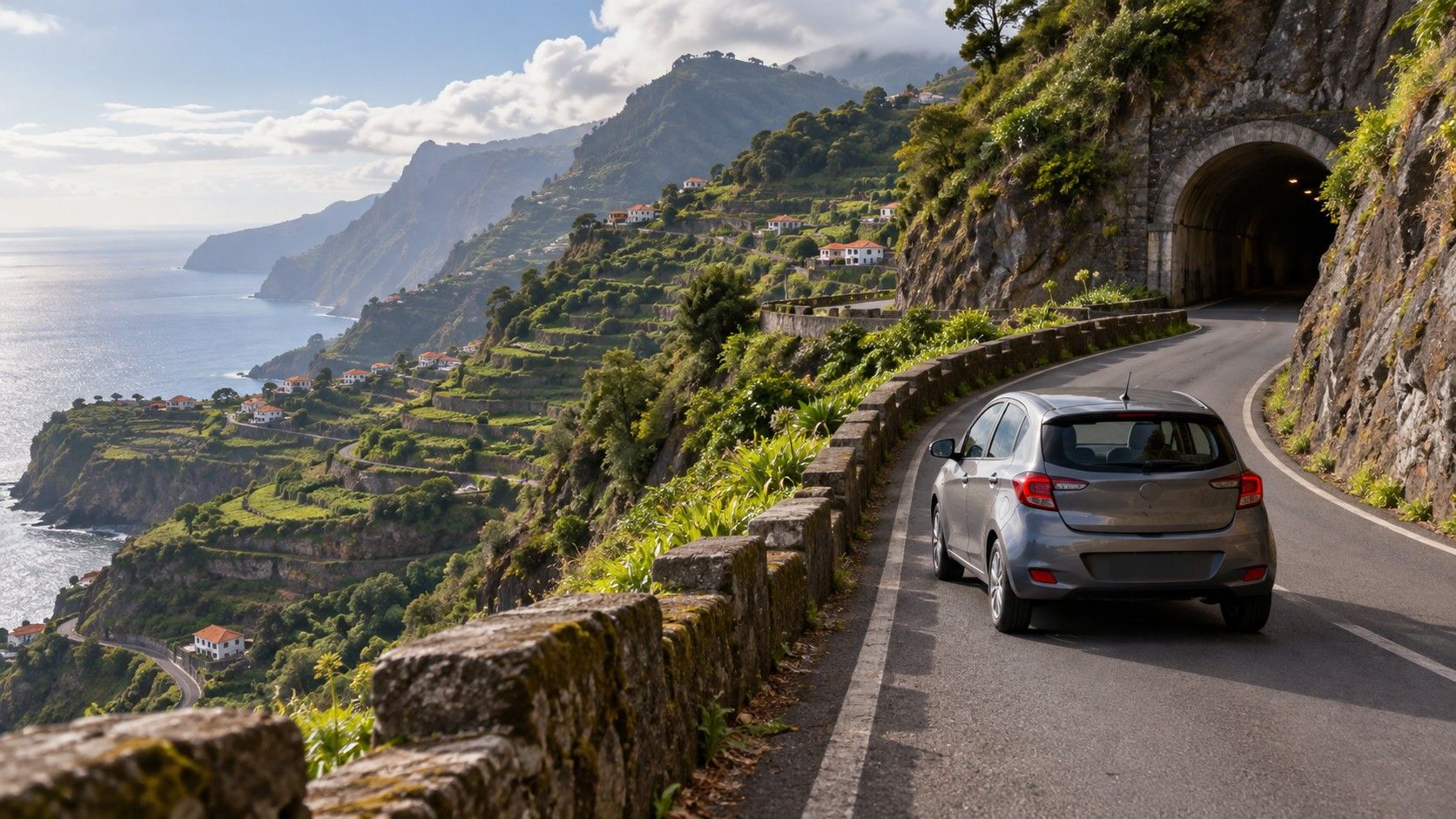
The deciding question is not whether a car is necessary—it is not—but whether spontaneity at remote places is essential. Madeira without a car gives up roadside stops and easy weather pivots. In return, it removes steep parking, rental deposits and the need for one person to watch the road. With a connected base and selective paid transfers, that exchange is often favourable.