The best base in Madeira is less about the prettiest balcony and more about what happens before breakfast and after dinner. Funchal makes buses, restaurants and organised tours easy; a smaller town trades some of that convenience for quieter evenings and quicker access to one part of the island. Because Madeira's roads cross steep terrain, choosing where to stay can change every day's driving, parking and weather more than the map initially suggests.
Choose a base by the routine you will actually keep
Start with transport. Without a car, central Funchal is the strongest all-round base: airport connections, urban buses, intercity routes and tour pickups converge there. A coastal village may have a bus stop, but that does not mean frequent evening service or a direct route to a trailhead. Read timetables for the journeys you expect to make, including the return, rather than counting coloured lines on a map.
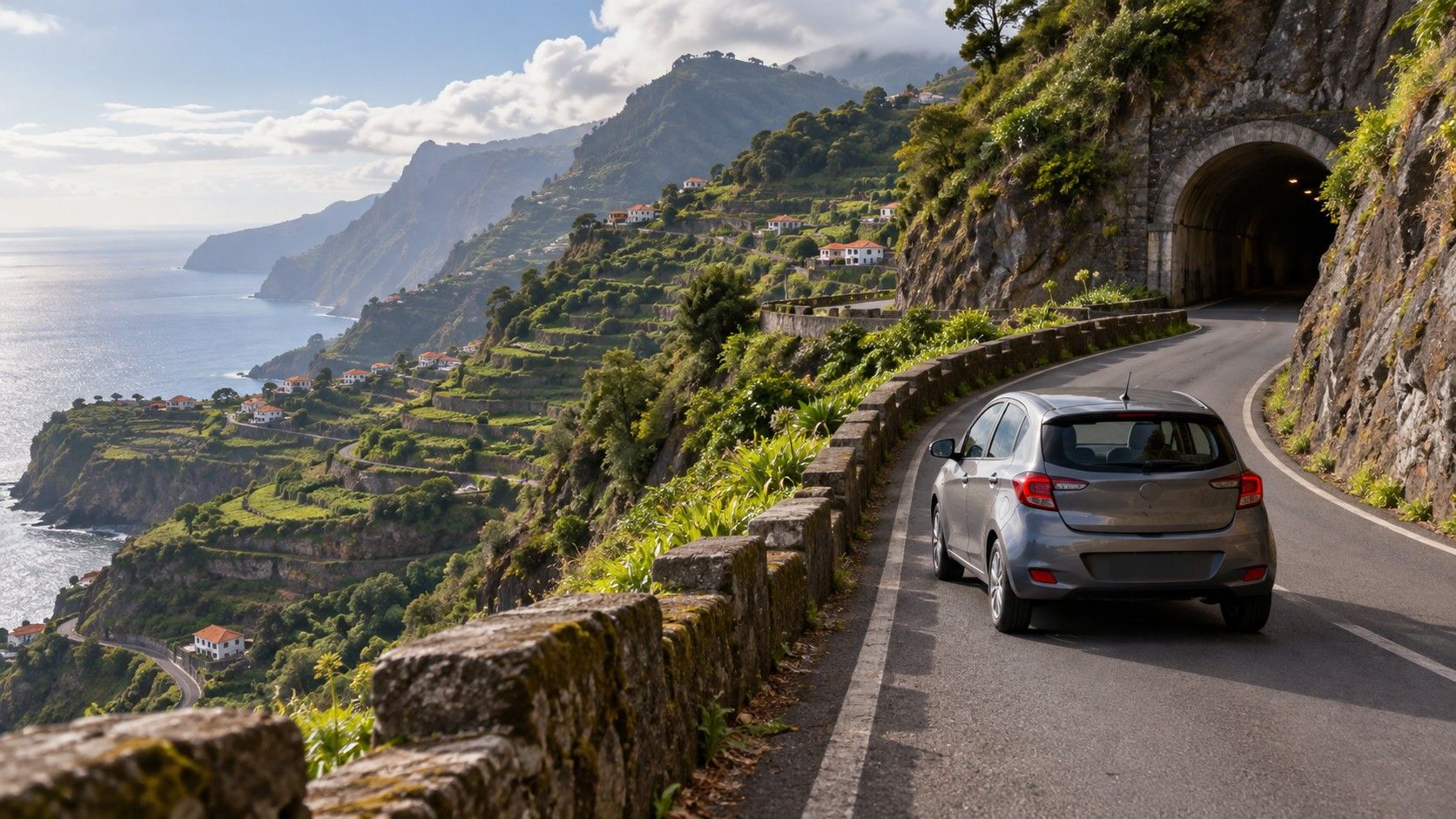
With a car, parking becomes part of the accommodation. A private space described as “nearby” may involve a steep lane or a tight garage entrance. Ask for dimensions if renting a larger vehicle and inspect recent guest comments for repeated parking complaints. In central Funchal, paid garages can be simpler than circling one-way streets. Outside the capital, parking is usually easier but older village centres still have narrow access.
Finally, imagine the evening. Travellers who want a choice of restaurants within a level walk may resent an isolated hillside apartment, however impressive the view. Travellers who cook and go to bed early may dislike a central nightlife street. The best area to stay in Madeira supports ordinary habits on tired days, not just the ambitious itinerary planned at home.
| Base | Works best for | Main compromise |
|---|---|---|
| Funchal | Car-free trips, dining and tours | Traffic, parking and a busier atmosphere |
| Calheta or Ponta do Sol | Sunny southwest and slower stays | Car dependence and longer eastern day trips |
| Machico or Canico | Airport access and eastern walks | Less choice after dinner |
| North coast | Landscape, quiet and local hiking | Changeable weather and longer cross-island drives |
Funchal makes transport and evenings easier
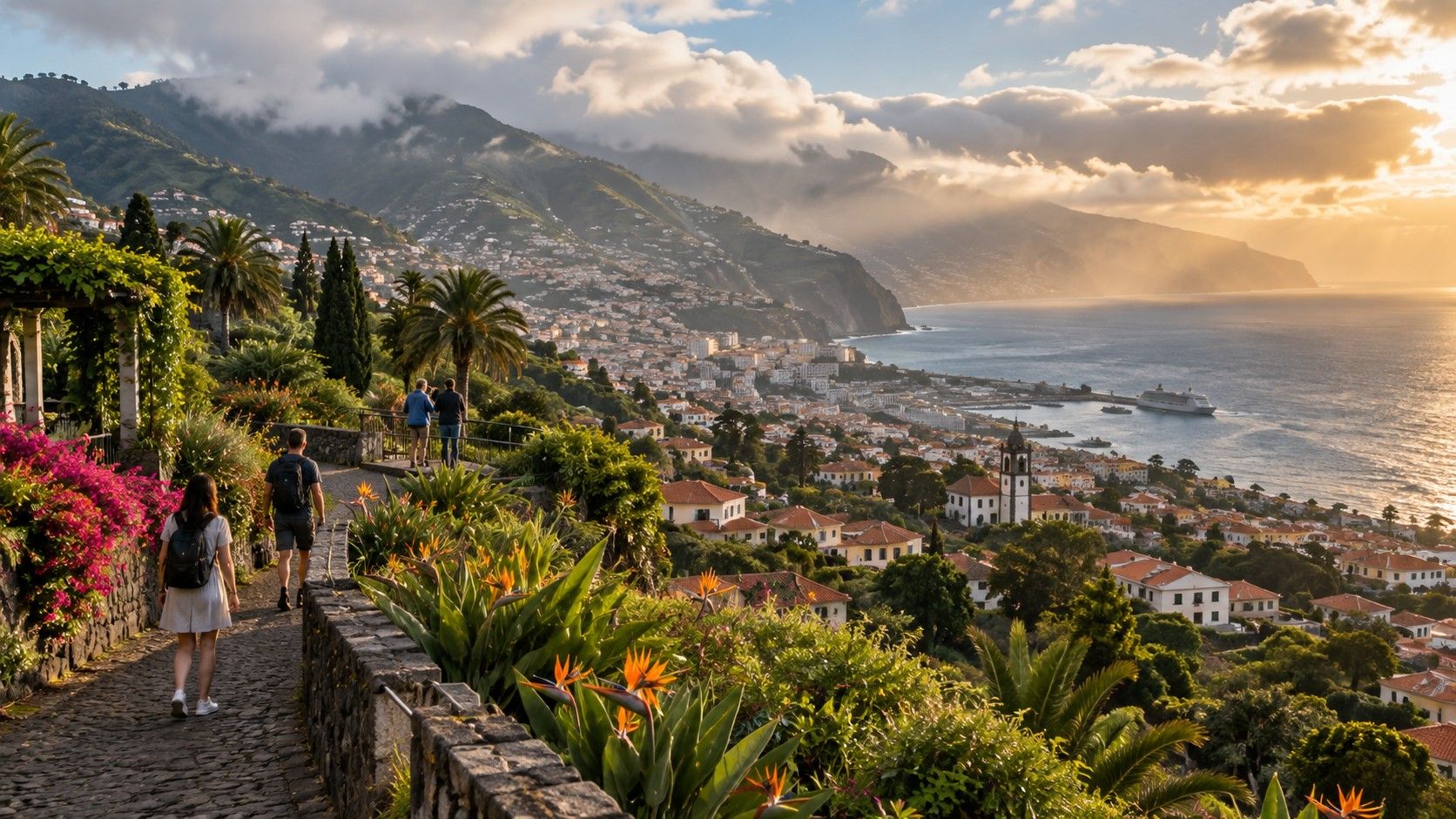
Funchal is the practical answer for a first trip without a car. Staying around the centre or Zona Velha puts the market, waterfront and lower cable-car station within walking distance. Tour companies commonly collect from central hotels, and taxis are easy to find. The trade-off is noise: restaurant streets, traffic and early deliveries can matter more than the difference between two similar room categories.
The Lido and São Martinho area west of the centre suits travellers who prefer resort facilities, sea access and a long promenade. It is not the historic core, but frequent buses and taxis connect it. Check the exact gradient from the main road to the property. A short distance on a booking map can mean a demanding uphill walk after dinner.
Funchal also shortens decisions on uncertain-weather days. If the mountains disappear into cloud, museums, gardens, shops and restaurants remain available without a cross-island drive. Day trip times to the far west or north are longer, yet road tunnels make most of the island reachable. The city is less convincing for someone who wants silence, doorstep nature and no urban traffic.
Calheta and Ponta do Sol suit sun-seekers with a car
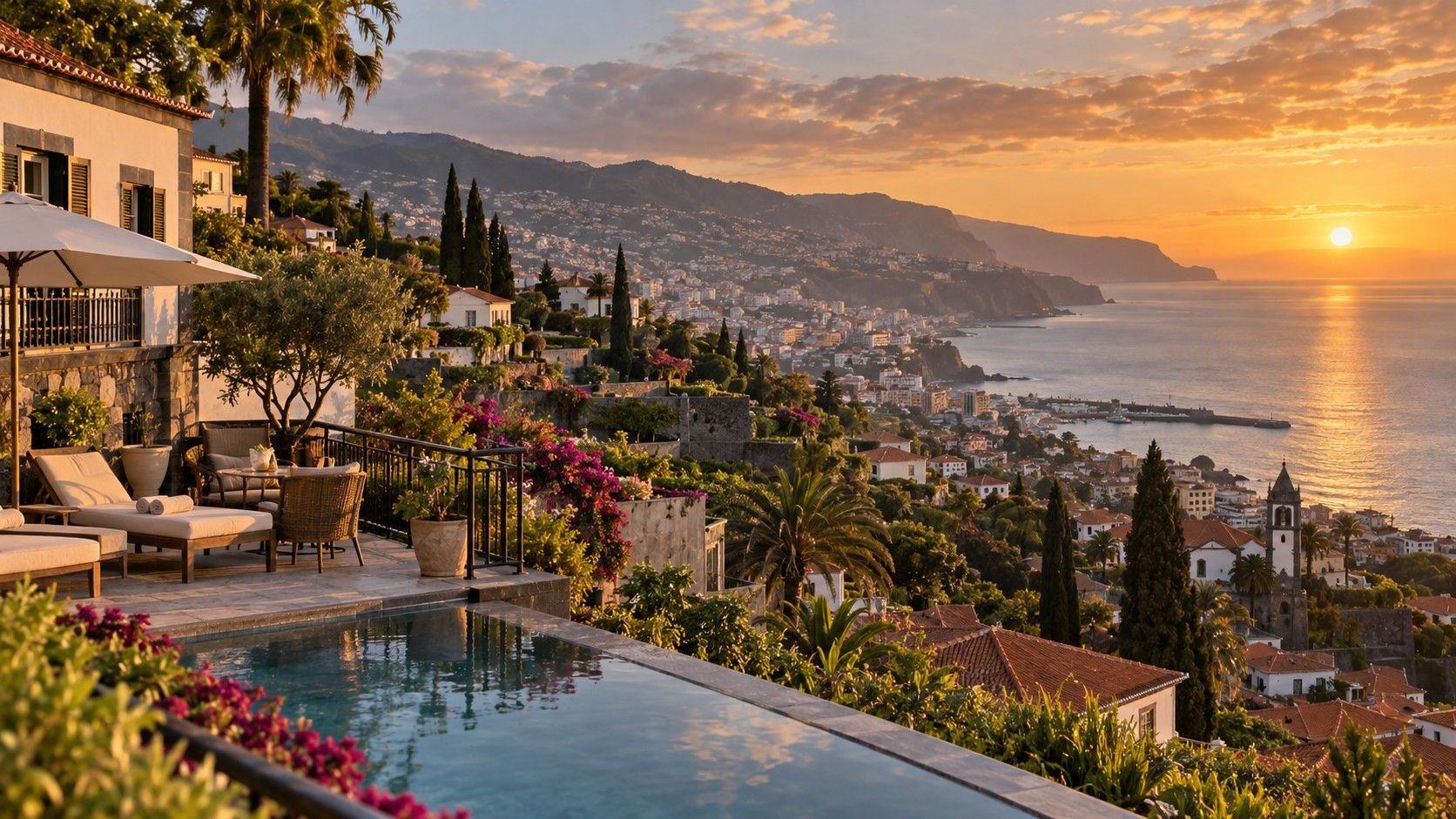
The southwest often attracts visitors with brighter weather, modern apartments and sea-facing terraces. Calheta has a marina, a sheltered artificial-sand beach and useful services spread around the municipality. It works well for a relaxed trip combining pool time with western walks. It is a car-oriented base: accommodation above the coast may be separated from restaurants and supermarkets by steep roads that are unpleasant on foot.
Ponta do Sol feels more compact at the waterfront, with an attractive small centre and places to eat, but many rentals using the name sit far above the village. Confirm the pin, elevation and pedestrian route. Sun reaching the balcony does not guarantee convenient access. Parking at the lower village can also become tight at popular times.
The question “Funchal or Calheta?” is really a question about daily range. Choose Funchal for varied evenings, tours and public transport. Choose the southwest if a hire car is already part of the plan, western Madeira matters most, and returning to a quiet terrace appeals more than browsing several restaurant districts. Driving to Ponta de São Lourenço or Santana from Calheta repeatedly wastes holiday hours.
Machico and Canico keep the east within reach
Machico is a grounded alternative near the airport, with a walkable centre, a beach, local restaurants and fast access to the eastern peninsula. It is useful for an early PR8 start because Baía d'Abra is much closer than it is from the southwest. Aircraft are part of the area's reality, so light sleepers should check the property's position and glazing rather than assuming proximity to the airport has no audible effect.
Caniço covers a broad area. The upper town and the coastal zone around Caniço de Baixo feel different, and a steep road separates some accommodation from the sea. The area is convenient for diving, quieter resort stays and access between Funchal and the airport. Bus access exists, but frequency and walking gradients vary by neighbourhood. Treat the exact address as the destination, not the municipality name.
Both bases reduce the travel time to eastern walks and viewpoints, while Funchal remains close enough for an evening by taxi or bus if planned. They have less nightlife and fewer rainy-day choices on the doorstep. For travellers who alternate hiking with early dinners, that can be a benefit. For anyone expecting city energy, it can feel limiting after two nights.
North-coast stays work best as a deliberate choice
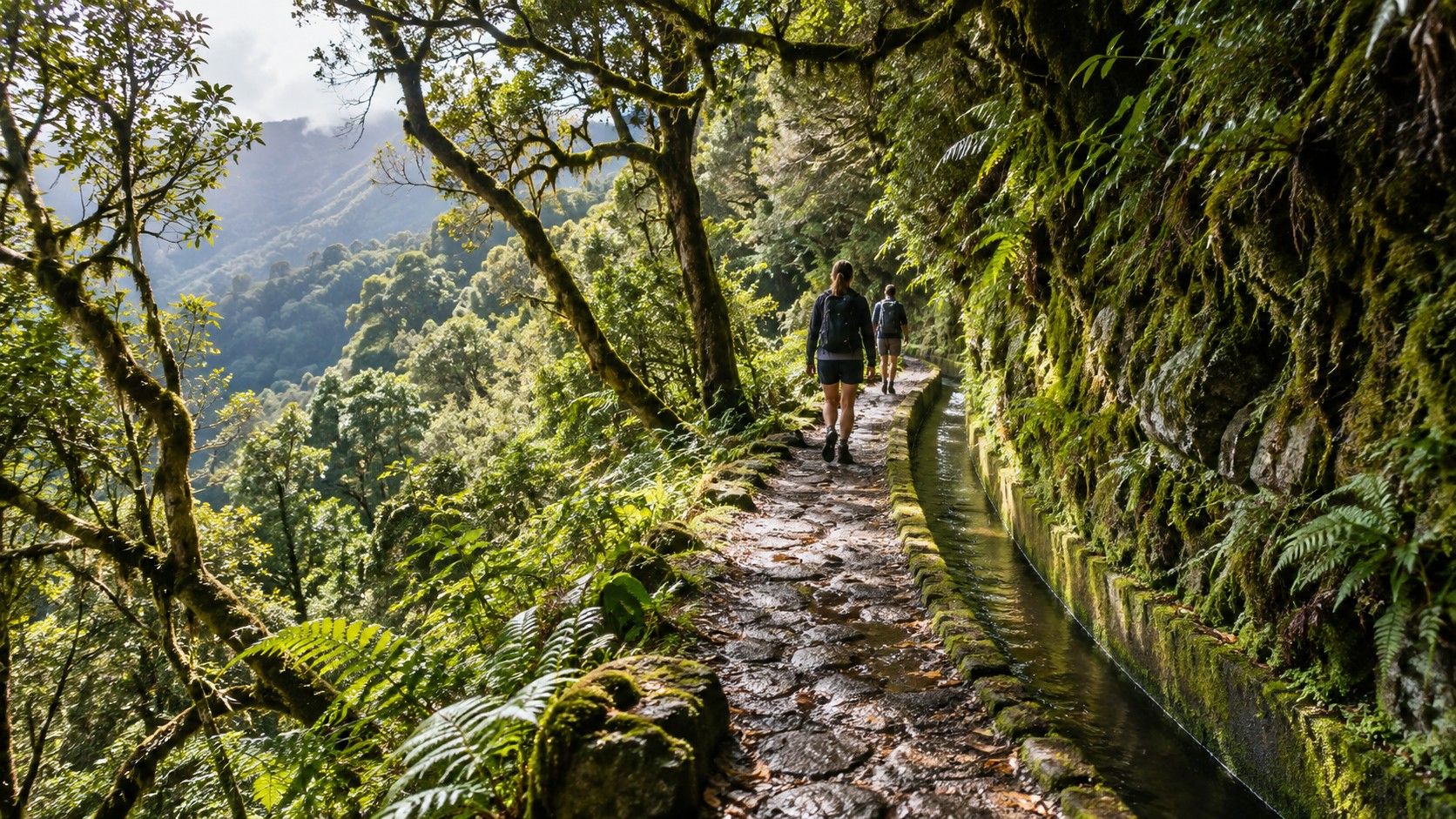
São Vicente, Seixal and Porto Moniz place cliffs, waterfalls, forest and natural pools close at hand. Mornings before day-trip traffic can be wonderfully calm. The north is also more exposed to cloud and rain, and sea conditions can close swimming areas even when the schedule says “pool day.” Book for the landscape and pace, not for a guarantee of sunshine.
Porto Moniz is particularly quiet after coaches depart. That suits slow travellers, but restaurant choice narrows and reaching eastern Madeira takes time. São Vicente is more central for crossing the island, while Seixal offers dramatic coastal scenery with fewer services. Check supermarket hours and whether breakfast is available if the property is outside the village.
A split-base trip can solve the geography. Four nights in Funchal followed by three on the west or north coast reduce repeated long drives and reveal a different evening atmosphere. Moving accommodation has a cost, so it makes sense only when the second base changes several days, not one excursion. For a short three- or four-night visit, one well-chosen base is usually calmer than repacking.
Check the property, not just the town name
Madeira accommodation areas are often marketed broadly. A listing tagged Funchal may sit high above the centre; “Calheta” can refer to a wide municipality. Open the precise map pin, inspect the access road and calculate routes at the times you will travel. Reviews mentioning steps, dogs, construction or difficult check-in are more useful than a generic score.
Weather also changes with altitude. A hillside house can be cooler and cloudier than the shore below. Air conditioning may matter less in winter than heating and damp control; in summer, afternoon sun through large windows can make it essential. Ask direct questions about the bedroom, parking and outdoor space rather than relying on wide-angle photographs.
Where to stay in Madeira ultimately comes down to friction. Pick the place that removes the obstacles you care about most: transfers for a car-free trip, parking for a road trip, early trail access for hikers, or walkable dinners for relaxed evenings. A less dramatic view with an easier routine often produces the better week.